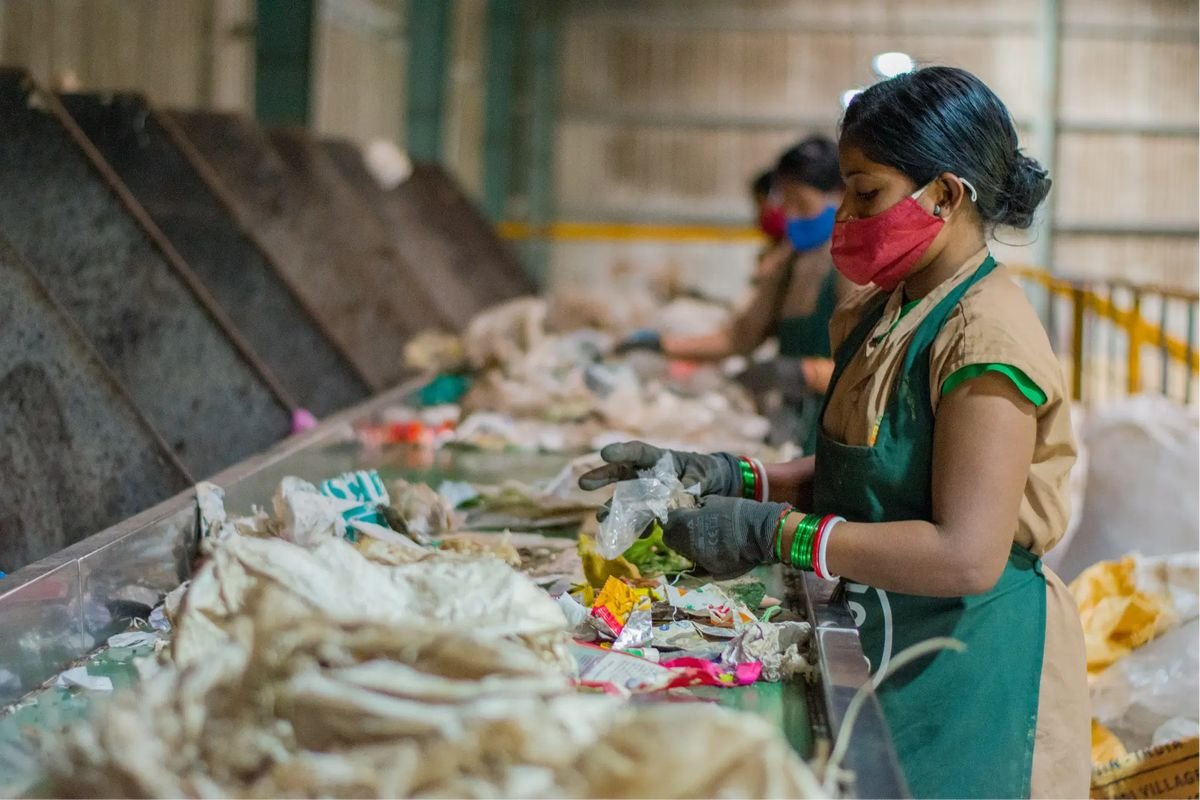
Effective solid waste management is crucial for creating healthy, clean, and sustainable communities. B.G. Samste (Reg) works to improve sanitation and environmental conditions in rural, urban, and underserved areas by promoting proper waste collection, segregation, recycling, and disposal practices. The initiative aims to protect public health, preserve natural resources, and foster community responsibility toward a cleaner environment.
Why Solid Waste Management
Poor waste management contributes to pollution, disease, and environmental degradation, disproportionately affecting vulnerable communities. Addressing solid waste issues is essential for public health, ecological sustainability, and overall quality of life. Many communities struggle due to lack of awareness, inadequate infrastructure, and insufficient waste management systems. By promoting awareness campaigns, community participation, and sustainable waste practices, B.G. Samste (Reg) strives to build cleaner, healthier, and more resilient communities for present and future generations.
What We Do
B.G. Samste’s Solid Waste Management Programme is designed to promote clean, healthy, and sustainable communities by addressing waste collection, segregation, recycling, and disposal in rural, urban, and underserved areas. The programme aims to improve public health, protect the environment, and foster community responsibility through participatory waste management practices.
Aligned with national sanitation priorities and the Sustainable Development Goals (SDGs), particularly those focused on good health, well-being (SDG 3), and sustainable cities and communities (SDG 11), the initiative emphasizes inclusive and environmentally responsible development for marginalized and vulnerable populations.
The programme engages households, schools, local institutions, and communities living in challenging circumstances—including rural villages, urban slums, tribal regions, and underserved neighborhoods—to adopt safe and sustainable waste management practices.
Through awareness campaigns, community training, waste segregation drives, composting and recycling initiatives, and collaboration with local authorities, B.G. Samste (Reg) works to reduce environmental pollution, improve sanitation, and ensure that every community has the opportunity to live in a cleaner and healthier environment.
The programme aims to create clean, healthy, and sustainable communities by promoting proper waste collection, segregation, recycling, and safe disposal practices.
It improves public health, reduces environmental pollution, promotes sustainable waste practices, and encourages community responsibility for cleanliness.
Activities include awareness campaigns, waste segregation drives, community clean-ups, composting, recycling initiatives, and capacity-building workshops.
Individuals and organizations can volunteer in clean-up drives, participate in awareness campaigns, help set up waste management systems, or collaborate on recycling and composting initiatives.
We Need Donations
Together, we build a brighter future for everyone, everywhere.