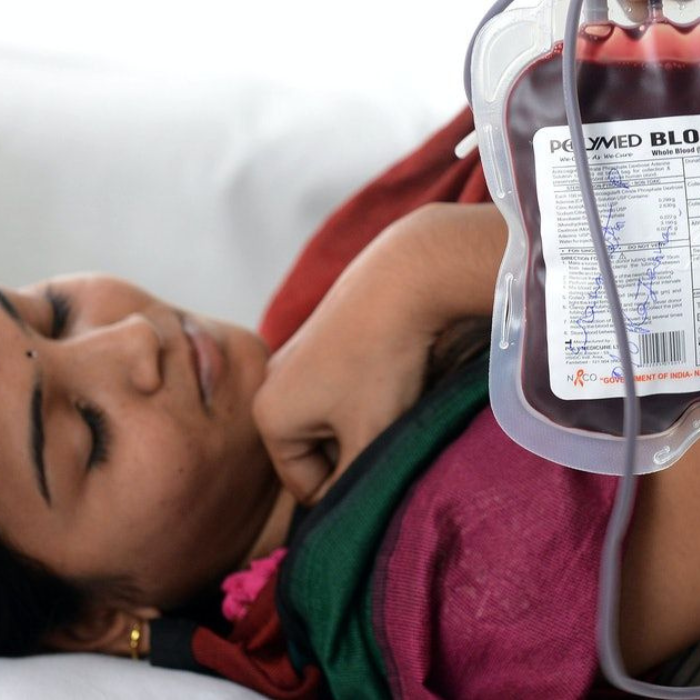
Blood donation is a vital act of social responsibility that saves lives and strengthens community health. B.G. Samste (Reg) works to organize and promote blood donation drives, encouraging voluntary participation and ensuring safe, timely access to blood for those in need. The initiative aims to create awareness about the importance of blood donation and build a culture of compassion and solidarity in communities.
Why Blood Donation
To address emergencies, medical shortages, and life-threatening conditions, voluntary blood donation is essential. Blood donation not only provides immediate support to patients in hospitals but also strengthens the overall healthcare system. Many communities face challenges due to lack of awareness, limited access to safe blood, and inadequate donation systems. By organizing blood drives, raising awareness, and fostering responsible participation, B.G. Samste (Reg) strives to save lives, support patients in need, and promote a culture of care and community service.
What We Do
B.G. Samste’s Blood Donation Programme is dedicated to saving lives by organizing safe, voluntary blood donation drives and promoting awareness about the critical need for blood in communities. The programme aims to ensure timely access to blood for patients in need while fostering a culture of altruism and social responsibility.
Aligned with national health priorities and the Sustainable Development Goals (SDGs), particularly those focused on good health and well-being (SDG 3), the initiative emphasizes safe, voluntary, and regular blood donation to strengthen healthcare systems and support vulnerable patients.
The programme engages communities, volunteers, and partner organizations to reach blood donors across rural, tribal, and underserved areas, including individuals in hospitals, disaster-affected regions, and regions with limited access to blood banks.
Through blood donation camps, awareness campaigns, donor education, and coordination with healthcare facilities, B.G. Samste (Reg) works to save lives, promote community participation, and ensure that every patient in need has timely access to safe blood.
Blood donation is a lifesaving act that ensures patients in need, including those undergoing surgeries, trauma care, or suffering from chronic illnesses, have timely access to safe blood.
Healthy individuals aged 18–65 years, meeting basic health and weight criteria, can donate blood. Certain medical conditions or medications may temporarily defer donation.
Individuals, schools, colleges, and organizations can participate by registering for blood donation camps, volunteering, or spreading awareness about the importance of blood donation.
We Need Donations
Together, we build a brighter future for everyone, everywhere.